Source: Bronya UAE — Tanks & Cisterns technical documentation
The Gulf Climate Problem for Steel Tanks
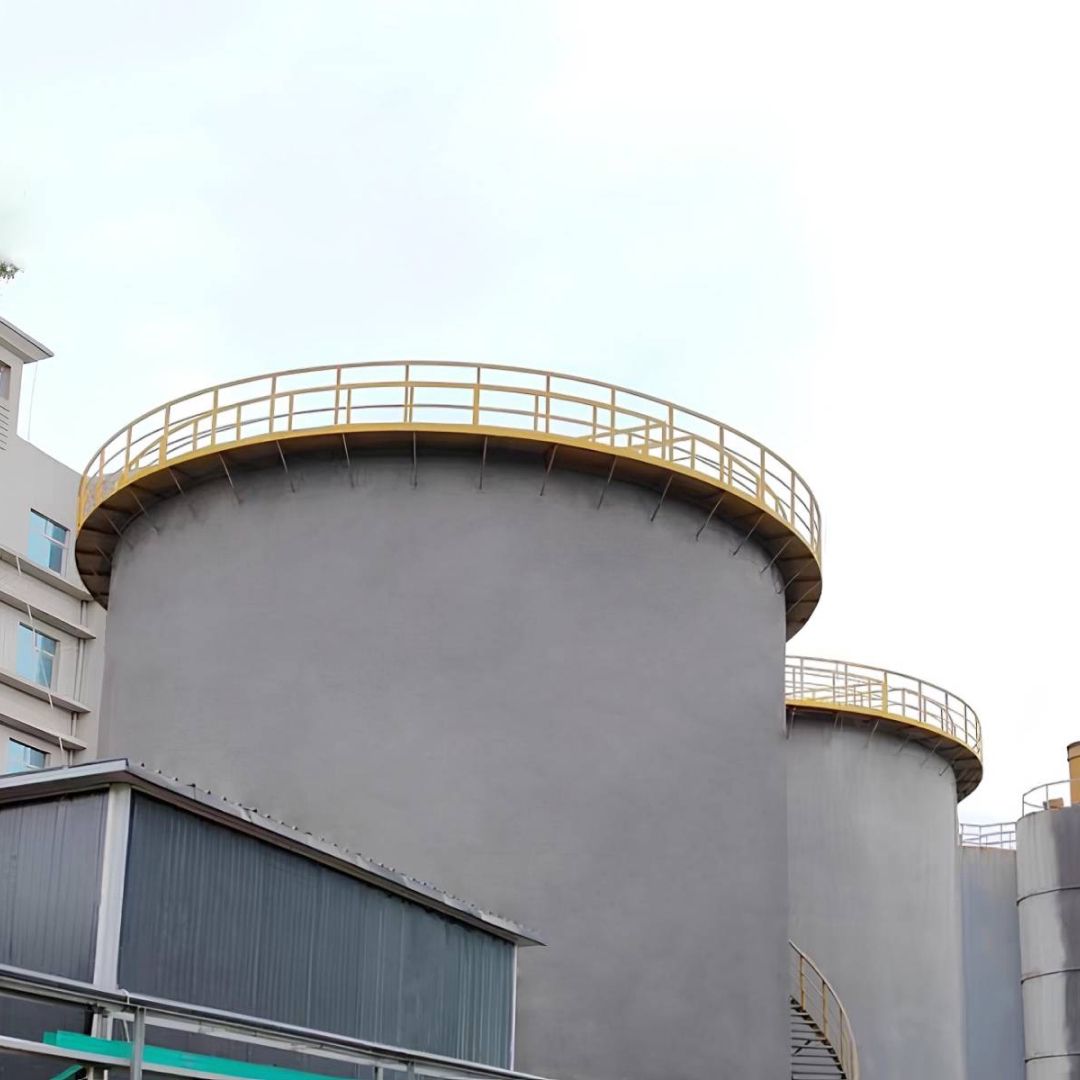
Atmospheric storage tanks are typically fabricated from carbon steel. Steel is an excellent structural material — but it is also an excellent conductor of heat. Under direct solar radiation in UAE, Saudi Arabia, Kuwait, or Bahrain, an uninsulated steel tank shell does not simply get warm. It becomes a solar collector.
Surface temperatures above 80°C are regularly recorded on uninsulated tank shells in Gulf summer conditions. The operational consequences of this are direct and measurable:
- Evaporation losses of 30–40% of stored petroleum product volume — a direct operational cost
- Accelerated corrosion of the tank shell under cyclic thermal loading
- Increased vapor pressure above stored product — raising fire and explosion risk
- Thermal fatigue of roof welds and floating roof components from daily temperature cycling
- Elevated thermal signature — relevant for risk reduction in emerging threat environments
A tank that loses 30–40% of its stored product to evaporation is not just an environmental problem — it is a direct financial loss calculated in thousands of barrels per year, per tank.
The Engineering Response: Ultrathin Thermal Coatings
Traditional tank insulation approaches — mineral wool cladding, foam panels, conventional paint systems — address the thermal problem but introduce their own complications: weight loading, maintenance access issues, extended application time, and in some cases, hot work requirements for installation.
Ultrathin liquid ceramic coatings represent a different engineering approach. Applied by airless spray like paint, they form a thermal barrier at the surface that reflects solar radiation and reduces heat transfer to the steel below — without adding structural load, without requiring hot work, and without disrupting tank operations during application.
BRONYA: Technical Characteristics for Tank Applications
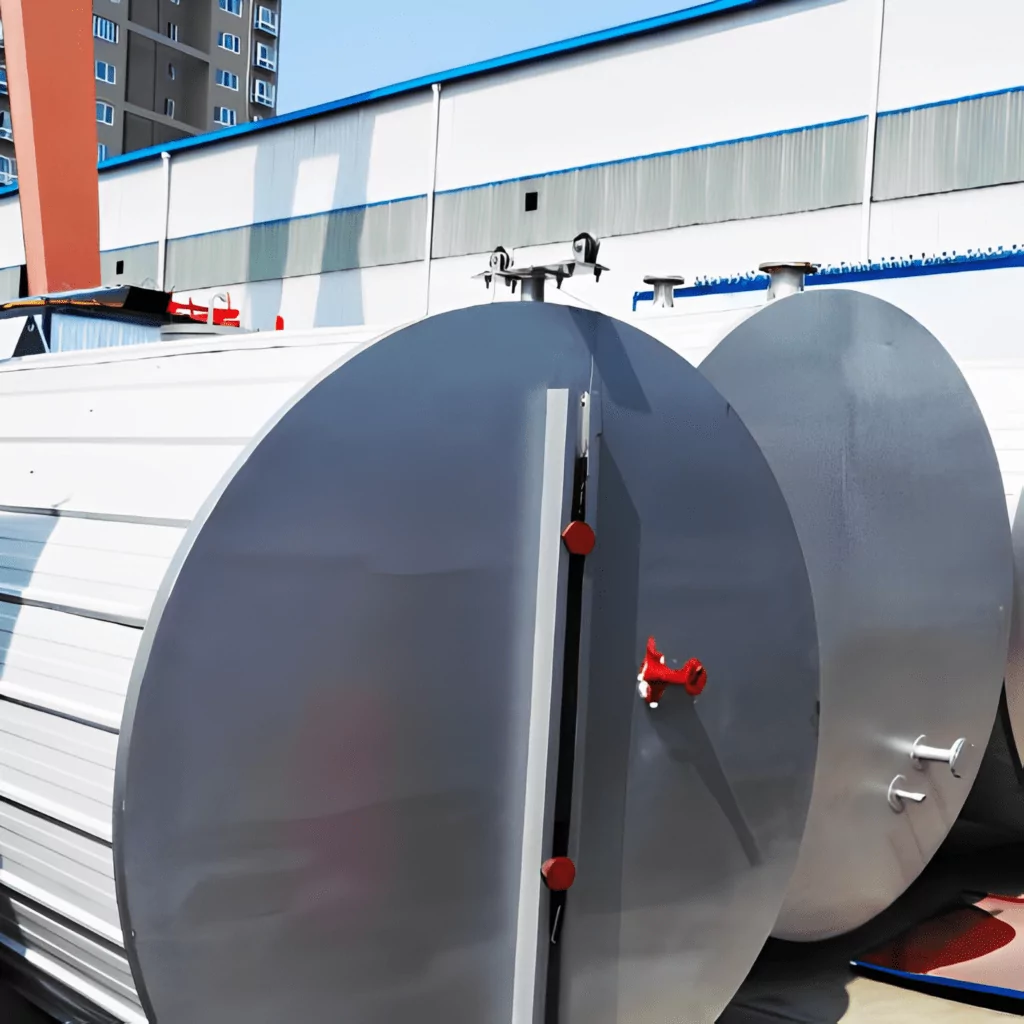
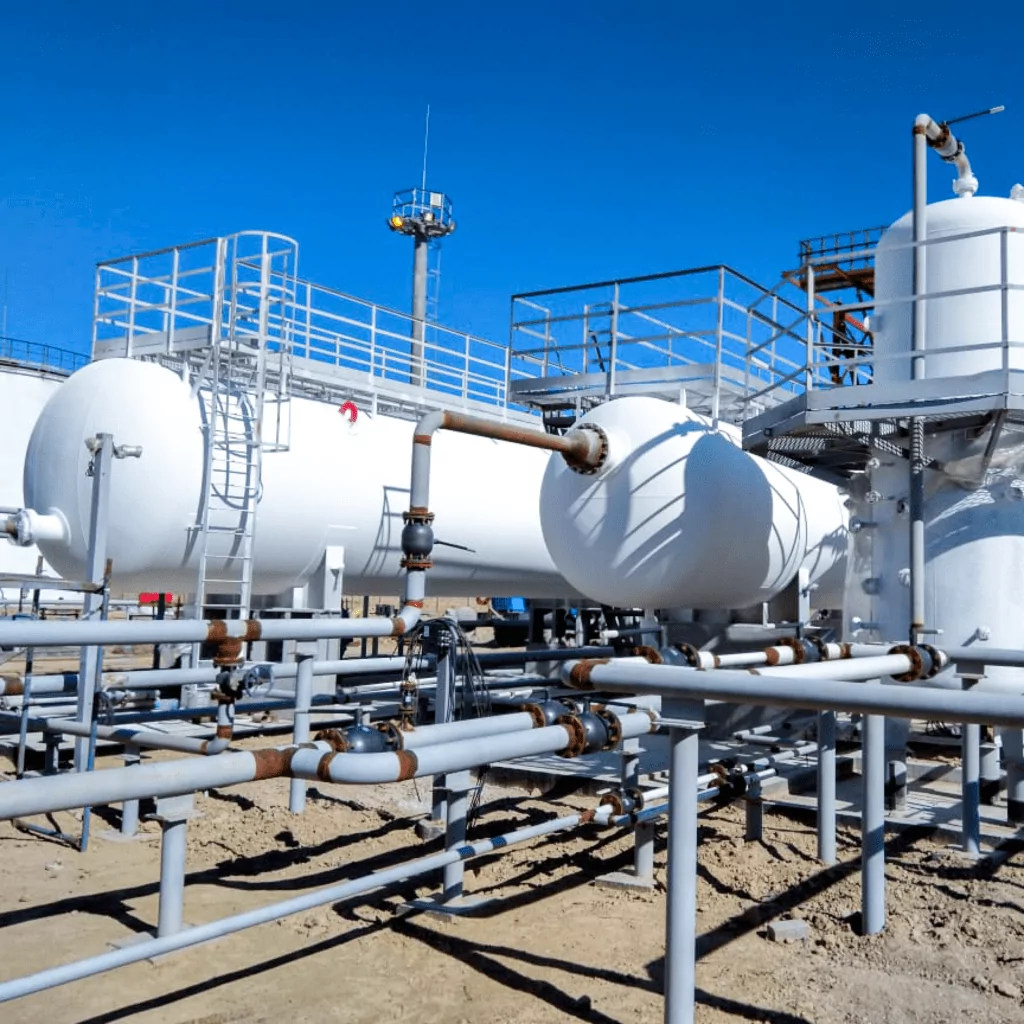
BRONYA liquid thermal insulation coatings — supplied in the UAE by PR EAST from their facility in Al Hamra Industrial Zone, Ras Al Khaimah — are specifically formulated for petroleum product storage applications. The product range for tank applications includes three primary systems:
Integration with Structural Protection Systems
When combined with an independent structural protection framework, thermal coatings create a fundamentally different risk profile for a fuel storage tank.
The structural framework addresses mechanical risk — providing a physical barrier that intercepts impacts and distributes forces away from the tank. The thermal coating addresses thermochemical risk — reducing the temperature-driven processes that elevate fire probability and operational losses.
The two systems are complementary and non-competing:
- Both are applied without hot work
- Both are applied without tank shutdown
- Both require no ongoing power or operational intervention
- Both are applied in the same installation sequence — coating first, then structural framework
- The structural framework does not contact or load the coated tank surface
Application Sequence for Combined System
The correct installation sequence for a combined structural + coating protection system is straightforward:
- Step 1: Surface preparation (cleaning, degreasing — no sandblasting required in most cases)
- Step 2: Bronya Antikor application — anti-corrosion base layer
- Step 3: Bronya Classic application — thermal insulation layer(s)
- Step 4: Foundation installation for independent structural framework
- Step 5: Column erection and ring beam installation (bolt-assembly)
- Step 6: Dome and mesh installation
- Step 7: Bronya coating applied to structural steel elements — corrosion protection
Total timeline for a 10,000 m³ tank: 6–8 weeks for the combined system. Tank remains operational throughout.
What This Means for Gulf Operators
For fuel storage tank operators in UAE, Kuwait, Bahrain, Saudi Arabia, Qatar, and Oman, the combination of structural and coating protection addresses the complete risk envelope that Gulf climate and operational conditions create:
- Evaporation losses reduced by 30–40% — direct operational cost saving
- Corrosion rate reduced — extending tank service life and reducing maintenance intervals
- Fire resistance of tank shell extended by 45–120 minutes in event of external heat exposure
- Thermal signature reduced — relevant for the evolving risk environment
- All achieved without hot work, without shutdown, in 6–8 weeks total installation
We assess structural and coating requirements for your specific tank geometry, site conditions, and risk profile. Confidential site assessment — no commitment required.
Request Assessment Bronya Tank Specifications